

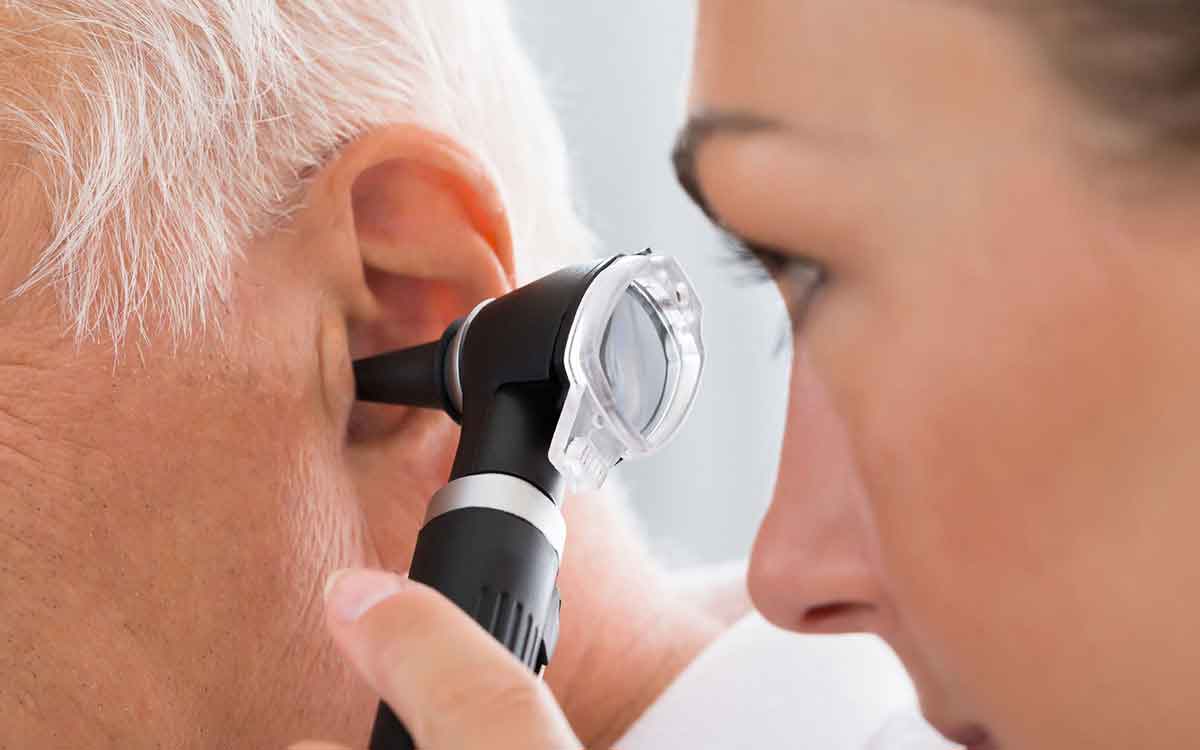
Auditory decline frequently advances as an incremental process, making it likely to be ignored during its early development. Many people adjust without realizing it by increasing the TV volume, asking others to repeat themselves, or avoiding loud environments.
Seeking an early evaluation facilitates efforts to preserve hearing, improve communication, and safeguard overall well-being.
Primary Signs of Developing Hearing Impairment
If you observe any of the following symptoms, it is advisable to undergo an audiological screening.
- Reduced clarity during social interactions in loud or crowded environments.
- A regular need of requesting clarification during daily interactions.
- Muffled or blurred vocalizations, where words sound blended together.
- Turning up the volume on the TV, phone, or radio higher than others prefer.
- Decreased perception of high-frequency acoustic signals such as bird songs or doorbells.
- The presence of tinnitus, characterized by ringing or buzzing in the ears.
- Feeling mentally exhausted after conversations, due to the strain of auditory processing.
- Retreating from communal environments as conversational tracking feels taxing.
Initial symptoms of auditory decline may appear in unilateral or bilateral patterns and vary in frequency initially. Due to rapid neural adaptation, many individuals remain unaware of their compensatory habits until the deficit is significant.
Hearing Loss By The Numbers
The World Health Organization estimates that hearing rehabilitation requirements will impact 700 million people by 2050. Other relevant statistics consist of:
- By 2050, approximately 2.5 billion people are expected to experience various levels of hearing loss.
- Over 5% of the world’s population (430 million people) necessitates rehabilitation to address disabling hearing loss.
- More than 1 billion younger individuals are at risk of permanent hearing loss due to hazardous acoustic habits.
- Among those aged 60 and older, more than one-quarter have clinically significant hearing loss.
The Value of Early Hearing Loss Detection
Untreated hearing loss can impact your overall health in ways that are often underestimated.
Scientific data associates hearing loss with higher incidences of social isolation, depression, cognitive decline, and balance issues.
Recognizing changes at an early stage promotes more effective outcomes and varied management strategies.
A hearing evaluation can determine whether changes are due to presbycusis-driven hearing loss, acoustic trauma, earwax buildup, infection, or underlying pathology.
Occasionally, auditory changes are temporary and can be effectively addressed.
In others, timely adoption of hearing aid technology or protective strategies can slow progression.
Indications for a Professional Hearing Evaluation
It is recommended to seek an evaluation with a hearing specialist if:
- Auditory symptoms remain present for more than several weeks.
- Changes in hearing disrupt work, relationships, or daily activities.
- If you encounter sudden hearing loss, dizziness, or persistent tinnitus (this should be evaluated promptly).
Hearing evaluations are noninvasive and supply valuable information regarding your ear health.
Reach out to our audiology team if you are interested in arranging a baseline hearing evaluation.
Auditory Health FAQ: Initial Symptoms
Q: Are all auditory changes linked to getting older?
A: No, while aging is a factor, hearing loss can be precipitated by acoustic trauma, infection, or systemic health issues.
Q: Can auditory impairment be clinically reversed?
A: In specific instances involving earwax or infection, hearing may be restored. While other forms are irreversible, they can usually be managed with professional treatment or hearing technology.
Q: How often should hearing be checked?
A: Adults should have a baseline hearing test by age 50, or earlier if symptoms or risk factors are present.