

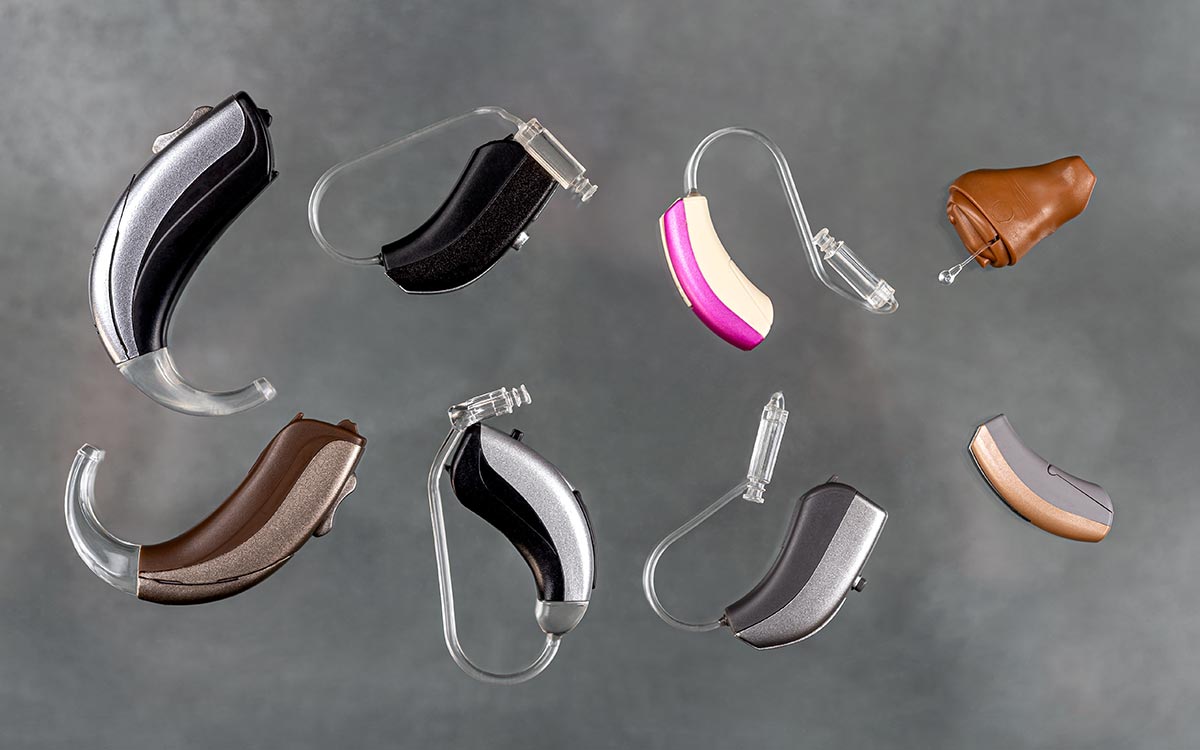
With so many choices in terms of dimensions, style, and technology, the process of picking a hearing aid for hearing loss or tinnitus can feel quite intense. Rest assured that there is a hearing device customized to every lifestyle and degree of impairment. It’s just an issue of finding it!
Feeling certain about your selection begins with knowing how different hearing aids function and compare. Today, we’re summarizing the different hearing aid styles and what makes each one unique.
Understanding In-the-Canal (ITC) Units
The Layout:
ITC hearing aids sit partially in the ear canal, with a small portion visible at the outer ear.
Common Advantages:
- Less noticeable than conventional full-size models
- Individualized molding ensures long-term wearing comfort
- Appropriate for mild to moderate hearing loss
These devices are commonly recommended for novices due to their effective mix of subtle design and user-friendly functions.
IIC (Invisible-in-Canal) Technology
The Idea:
These are the tiniest custom-made devices on the market today. These devices sit so deeply back in the ear that they are nearly impossible to see.
Why individuals pick them:
- Maximum cosmetic discretion
- Provides realistic audio because of where the device sits
- So light and small that users frequently don’t notice they are wearing them
The small form factor of IIC models renders them perfect for mild hearing loss and anyone who values an invisible hearing solution.
In-the-Ear (ITE) Hearing Aids
Structural Data:
These models fill either the complete or bottom half of the outer ear bowl. Every unit is specifically personalized to match your ear’s unique shape.
The Benefits:
- Larger size allows for more features and longer battery life
- Ideal for individuals who find smaller devices hard to manipulate
- Effective for a wide spectrum of hearing impairments, ranging from mild to severe
The all-in-one style of the ITE design makes it a favorite for those who dislike behind-the-ear equipment.
Traditional Behind-the-Ear (BTE) Units
Description:
An external hearing aid is worn externally behind the ear for an optimal fit. Audio is sent via an ultra-fine tube or a personalized mold in the canal.
Why users choose them:
- Known for remaining exceptionally adaptable and robust
- Can be set to assist users with everything from mild to profound loss
- The size provides plenty of room for the latest connectivity features and rechargeable hardware
The combination of user-friendliness and powerful sound makes BTE aids a top contender for many patients.
RIC (Receiver-in-Canal) Summary
Component Structure:
In a modern model, the speaker is detached from the main casing and placed inside the canal via a thin wire.
Why people choose them:
- Provides an exceptionally clear and lifelike listening experience
- The ultra-thin style is both light and nearly effortless to wear
- An adaptable choice that works for various degrees of auditory needs
The combination of design and high-end functionality renders RIC models an ideal choice in the modern market.
Long-Term “Set and Forget” Devices
Operational Info:
Extended-wear models are semi-permanent devices that a professional fits into the ear for a duration of several weeks.
The Appeal:
- Zero daily insertion or removal
- They are virtually hard for people to notice because of their depth
- Engineered to be worn during everyday activities, including sleeping and exercising
These models are the best option for a low-maintenance, seamless hearing experience.
Connected Wireless Solutions
Digital Features:
Connectivity-focused hearing aids that use radio to integrate with your digital life.
Modern Perks:
- Enjoy direct sound streaming from your phone or TV right into your ears
- Allows for instant, discreet adjustments to your hearing aids through digital software
- Improved ease for modern lifestyles
Bluetooth features are available across many styles, including RIC, BTE, and some ITC models.
Surgically Implanted Middle-Ear Solutions
What they represent:
A surgically implanted device that directly vibrates the middle ear bones to amplify sound.
Medical Motivations:
- Provides a solution for individuals with anatomy that prevents the use of conventional aids
- Pleasant option for chronic ear issues related to traditional devices
Candidates for middle-ear implants should complete an exhaustive evaluation by an expert specialist.
Choosing the Right Style for You
Every hearing aid style provides its own benefits, and the right option depends on your level of hearing loss, comfort preferences, lifestyle, and cosmetic considerations. An expert can provide the support needed to test out different styles and find the one that fits your life perfectly.
Begin your path to better sound by setting up a hearing test now. Your future of assured communication starts with this first evaluation.
Sources:
https://www.mayoclinic.org/diseases-conditions/hearing-loss/in-depth/hearing-aids/art-
20044116
https://www.hearinglife.com/hearing-aids/types
https://www.nidcd.nih.gov/health/hearing-aids